
Designing categories that help people decide faster

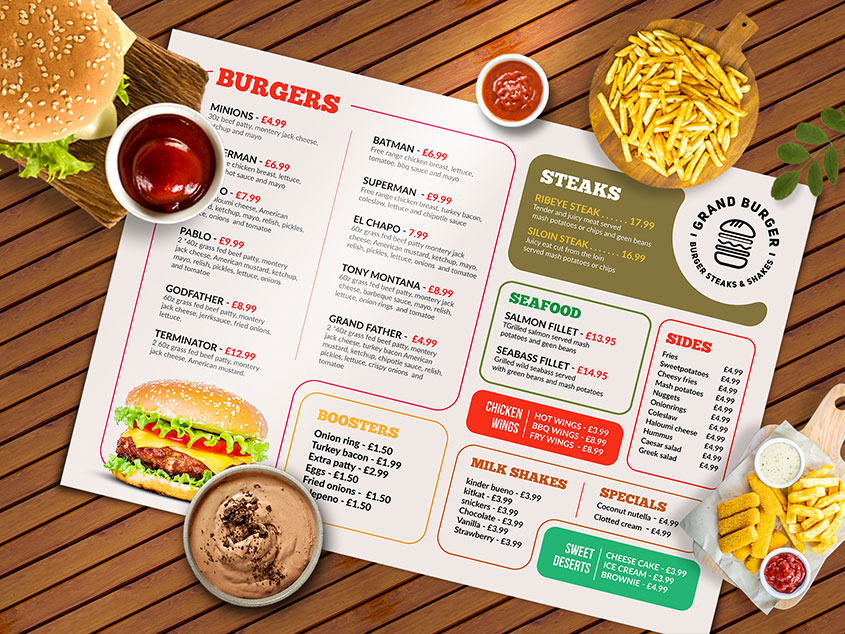
Categories aren’t just organization—they’re decision shortcuts. The best menu categories reduce thinking and increase confidence.
Use customer language
“Rice & Bowls” is clearer than “Carbs.” “Grilled” is clearer than “Charcoal Specials.”
Keep the list short
Too many categories makes a menu feel complicated. Aim for 6–10 categories that cover 80–90% of your offering.
Place best-sellers where eyes land
Customers scan top-to-bottom. Put your strongest categories near the top and keep them filled with your top dishes.
Why this matters for restaurants
In a busy restaurant, small operational problems become expensive quickly: delays compound, errors repeat, and staff waste time switching between tools. BetaFud is designed to reduce friction by keeping ordering, menu operations, and daily workflow in one place.
What BetaFud helps you do
Restaurants use the platform to publish a clean ordering storefront, manage food menus and extras, handle orders, control staff access, and review performance with simple insights. The goal is clarity: customers order faster, and staff execute with fewer mistakes.
Practical next steps
If you want to apply the ideas in Designing categories that help people decide faster, start with one improvement you can repeat daily. Make it measurable (time saved, fewer cancellations, higher basket size), and build from there. Consistency is the fastest path to growth.
Common mistakes to avoid
- Overcomplicating categories or dish names
- Adding too many extras that slow packing
- Letting orders sit without clear status updates
- Giving staff access without role control
Tip: Review your best-selling items weekly and keep their descriptions, photos, and add-ons sharp. That is the easiest way to increase conversions without increasing spend.





Comments
No comments yet. Be the first to comment.